Yoga for Sleep: Benefits, Poses & Tips
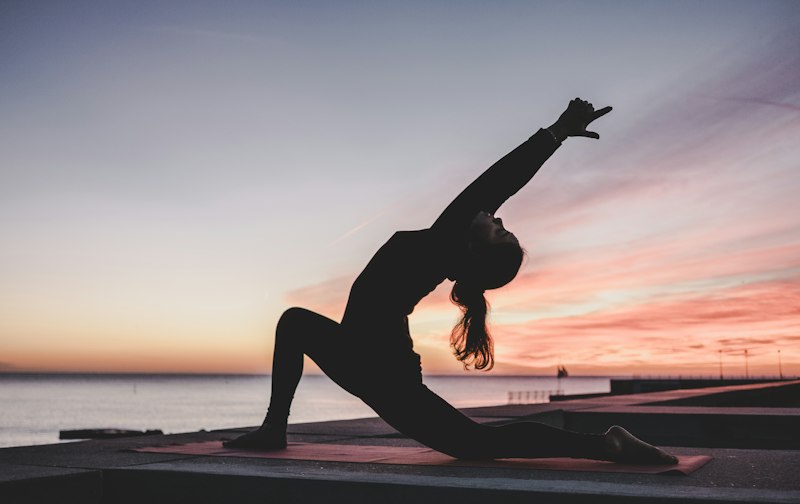
Yoga for sleep uses restful poses and breathwork in the evening to prepare the body for rest. Legs-Up-the-Wall, supported Child's Pose, and Savasana with long exhales are effective. The CDC recommends good sleep hygiene; gentle yoga can be part of a wind-down routine.
Why yoga can help with sleep
Poor sleep is often linked to stress and an overactive nervous system. Yoga for sleep uses gentle, restful poses and breathwork to help the body shift into rest mode. The CDC and NCCIH note that relaxation practices can support sleep. Our online yoga classes Philippines include evening and restorative options.
Many people find that a short daily practice helps them feel more mobile and calm. Yoga combines movement, breath, and awareness, which can support both physical and emotional well-being. The key is to start gently and build consistency rather than pushing for intensity. If you have specific health concerns, talk to your doctor and consider working with a teacher who can suggest modifications.
"Exercise often helps to ease back pain and prevent further discomfort. The following exercises stretch and strengthen the back and the muscles that support it."
— Mayo Clinic, on back exercises
Benefits of yoga for sleep
- Wind-down – Restful poses signal the body to relax.
- Breath – Long exhales support the transition to sleep.
- Stress – Less tension can improve sleep quality.
- Routine – A consistent evening practice helps set the stage for rest.
Building a regular practice—even 10–15 minutes most days—can amplify these benefits. Research and clinical experience suggest that mind-body practices like yoga are most effective when done consistently over time. The NCCIH and Mayo Clinic note that yoga may improve well-being and stress resilience.
Best yoga poses for sleep
These poses are commonly used and can be adapted to your needs. Move slowly, breathe, and skip or modify anything that increases discomfort.
The poses below are widely used and can be adapted to your level. If you are new to yoga, start with shorter holds (30–60 seconds) and focus on breathing steadily. You can add or skip poses depending on how you feel. Props such as a block or blanket can make many poses more accessible and comfortable.
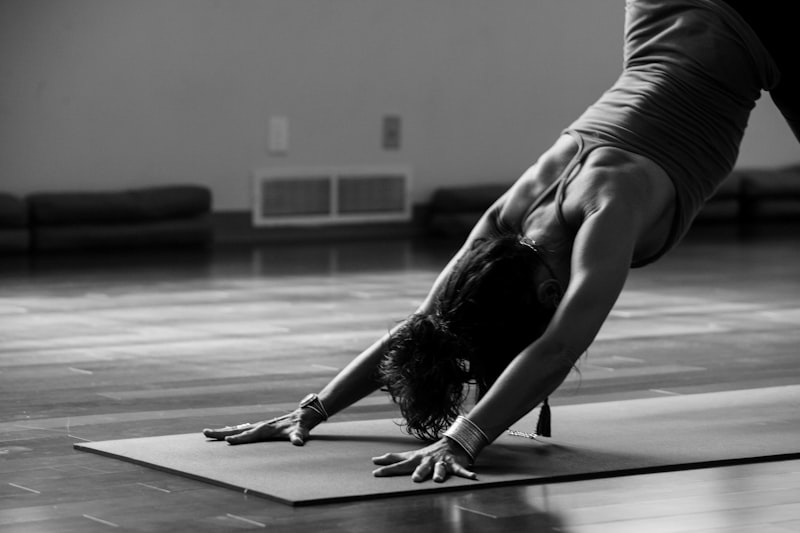
- Legs-Up-the-Wall – Restful; stay 5–10 minutes with slow breath.
- Supported Child's Pose – Bolster or pillows under chest; rest and breathe.
- Supine Twist – Gentle release; hold each side 1–2 min.
- Savasana – Full rest; focus on exhaling slowly.
Safety: When in doubt, choose the gentlest option or rest. Get clearance from your doctor or physiotherapist when your condition requires it.
10-minute routine
A simple sequence you can do at home:
A short sequence helps you build a habit without overwhelming your schedule. You can do this routine in the morning to start the day with movement, or in the evening to wind down. If you have limited time, even 5 minutes of gentle movement and breath work can make a difference.
- Cat-Cow or gentle warm-up – 1–2 min
- Child's Pose or rest pose – 1–2 min
- 2–3 poses from the list above – 1 min each
- Supine Twist – 1 min per side
- Legs-Up-the-Wall (optional) – 3–5 min
"Research suggests that yoga and other mind and body practices can help improve well-being and resilience to stress."
— NIH NCCIH
Tips for practicing
- Start with 10–15 minutes; consistency matters more than length.
- Use a mat and, if helpful, a folded blanket or block.
- Breathe steadily; avoid holding your breath.
- Stop or ease off any pose that increases pain or discomfort.
- Consider a live online yoga class Philippines for modifications.
Remember that yoga is not about perfection—it is about showing up and listening to your body. If you experience pain or dizziness, ease off or rest. Over time, you may notice greater ease, better sleep, or improved mood; these changes often come with consistent practice rather than a single session.
Yoga for sleep at home
You can practice at home with a mat and optional props (blanket, block). Follow the routine above or join our online yoga classes Philippines for guided sessions. Many of our students practice from home and find that regular sessions help.
If you prefer learning with others, our live online yoga classes Philippines are a good option. You can join from anywhere and receive real-time suggestions for modifications. Many students find that a mix of solo practice and guided classes works best for lasting benefits.
References
This guide draws on reputable sources. We encourage you to read them and discuss your situation with your doctor when relevant.
Frequently asked questions
Can yoga help with sleep?
Yes. Gentle yoga can support sleep through movement, breath, and relaxation. Check with your doctor when relevant.
Is yoga safe for sleep?
Gentle, mindful yoga is generally safe when practiced with modifications. Avoid poses that increase discomfort. Get clearance from your doctor when needed.
What are the best yoga poses for sleep?
Best poses include those in this guide. Start with short holds and focus on breath. Modify or skip any pose that doesn't feel right.
How often should I do yoga for sleep?
A short daily practice of 10–15 minutes can be very effective. Consistency matters more than length.
Can I do yoga for sleep at home?
Yes. You can practice at home with a mat and optional props. For guidance, consider a live online class for modifications.
Key takeaways
- Wind-down – Restful poses signal the body to relax.
- Breath – Long exhales support the transition to sleep.
- Stress – Less tension can improve sleep quality.
- Routine – A consistent evening practice helps set the stage for rest.
More yoga for your needs
Explore related guides below. Each page follows the same evidence-based structure: benefits, poses, routine, and tips.
Join a class
Practice with guidance in our live online yoga classes Philippines. Small groups, Zoom, and options for modifications.