8 Lessons From 8 Years of Teaching Yoga
Wow, eight years have gone by so fast. Teaching yoga wasn’t—it came with studying, learning, unlearning, and finding my way back to the essence of my own practice. Here are eight lessons from eight years on the mat and in the classroom.
Quick answer: After eight years of teaching yoga, the biggest lessons are humility (“I don’t know” builds trust), staying human in difficult moments, and not taking student attendance personally. These principles shape how I teach in online 200-hour yoga teacher training and welcome beginners through Asana Foundations.
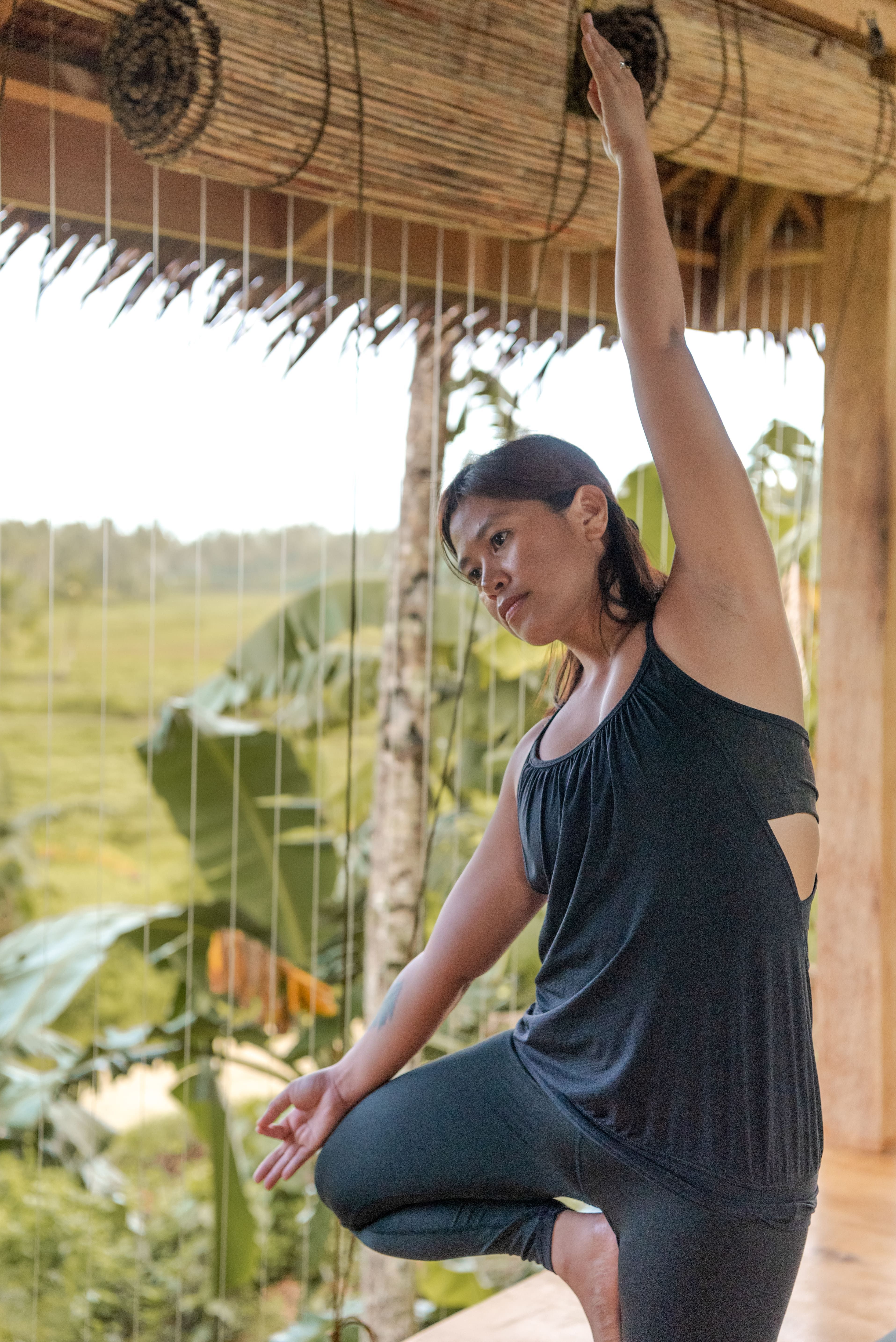
Wow, eight years have gone by so fast. But teaching yoga wasn’t. It came with a lot of studying, a lot of learning, a lot of unlearning, and finding my way back to the essence of my own personal practice and my teaching. I’ve taught in studios, teacher trainings, private sessions, retreats, and online. Every student has left an imprint on me.
Here are eight lessons from eight years of teaching yoga.
1. You can say, “I don’t know.”
Students won’t lose respect for you. Most of them will trust you more.
Early in my teaching, I thought I needed to have an answer for everything. The longer I teach, the more comfortable I become saying, “I’m not sure,” or “Let me look that up.” Yoga is a lifelong practice. No teacher knows everything. Humility is not a weakness. It creates space for learning, curiosity, and honest conversations.
It’s a lesson I pass on in our online 200-hour YTT Philippines program: competence grows over time; integrity starts on day one.
2. You can break down in front of your students.
And sometimes they will break down in front of you too.
Life doesn’t pause because you’re a yoga teacher. There were days I arrived carrying grief, uncertainty, or exhaustion. There were also classes where students cried during Savasana, shared difficult news before class, or quietly admitted they were struggling.
You don’t need to pretend you’ve got everything together. Your students don’t need a perfect teacher. They need a human being who knows how to stay present without making the class about themselves. Sometimes your greatest teaching isn’t what you say but how you remain grounded in difficult moments.

3. Some students love small classes. Some won’t come back.
Some students love it when it’s a small class because they feel more connected and supported. Others prefer a busy room and may never return if only two people show up.
Whatever their reason, don’t take it personally.
People leave for reasons you’ll never know. Their work schedule changes. They move away. They find another teacher whose style suits them better. Sometimes yoga simply isn’t their priority anymore. None of that means you failed.
Your job is not to convince people to stay. Your job is to teach the people who showed up.
4. Teaching yoga means witnessing entire lives unfold in front of you.
I’ve taught some students for six years. I’ve watched their children become teenagers, relationships begin and end, careers change, injuries heal, and bodies age.
Over time, you realize you’re not just teaching poses. You’re watching people move through different seasons of life. Sometimes they become stronger. Sometimes they become softer. Sometimes they disappear for months and return when life settles again.
You are there to witness. On good days, you’re their teacher. But you’re not their savior, therapist, or doctor. Knowing the difference protects both you and your students.
5. Your teaching will change.
And your students will change too. That’s part of the practice.
The classes I taught in my first year are very different from the classes I teach today. I’ve become less interested in complicated poses and more interested in helping people feel at home in their bodies.
As you grow, your students may grow with you. Others may leave because they’re looking for something different. That’s okay. Teaching is a living practice. If your teaching hasn’t changed after years of experience, you probably haven’t been paying attention.
That evolution is part of why I designed Asana Foundations—a live 5-day online beginner immersion focused on confidence and feeling at home on the mat, not complicated poses.
6. You don’t have to practice yoga perfectly to teach yoga honestly.
There are seasons when your practice is strong and seasons when life is messy. There are times when meditation feels effortless and times when sitting still feels impossible.
Your worth as a teacher isn’t measured by how advanced your practice looks. It’s measured by your willingness to keep showing up honestly.
Students don’t need perfection. They need someone who understands what it’s like to begin again.
7. Teaching yoga can be a career if you want it to be.
If you treat it as a career, it can be viable. If you treat it as play, it can be play. Make sure you stay true to that. And if the way you see it changes, that’s allowed.
There isn’t one right way to be a yoga teacher. Some teach one class a week because they simply enjoy it. Others build schools, lead teacher trainings, host retreats, write, study, and make it their full-time profession.
Neither path is more “yogic” than the other.
What’s important is being honest with yourself about what you want. There’s nothing wrong with earning a living through meaningful work. There’s also nothing wrong with keeping yoga as something that simply brings you joy.
If you’re exploring a teaching path, our online 200-hour yoga teacher training (next cohort October 17–December 6, 2026) is one way to build a Yoga Alliance–aligned foundation—whether you want a career, a side practice, or simply to go deeper.
8. Not everybody is love and light all the time.
And that’s just part of it.
Yoga teachers get frustrated. Students have bad days. Studio owners make mistakes. Communities experience conflict. Spiritual practice doesn’t erase our humanity.
I’ve learned to be cautious of the expectation that yoga should make people endlessly calm, kind, or positive. The practice isn’t about pretending difficult emotions don’t exist. It’s about learning how to meet them with awareness.
The people I trust most in this community aren’t the ones who seem peaceful all the time. They’re the ones who are honest about being human and willing to take responsibility when they fall short.
Eight years later
Eight years of teaching yoga haven’t made me a perfect teacher. They’ve made me a more curious one.
I’m still learning. I’m still making mistakes. I’m still finding my way back to the practice, again and again.
And maybe that’s what yoga has been teaching me all along.

Where to begin with Upekkha
These eight years shaped how I design programs today:
- New to yoga? Start with Asana Foundations—a live 5-day online beginner immersion (₱1,500, cohorts start monthly).
- Ready to teach? Explore our online 200-hour yoga teacher training—next cohort October 17–December 6, 2026.
- Not sure yet? Take the free YTT Readiness Assessment for personalized next steps.
Train with Upekkha Yoga School
Build your foundation with Asana Foundations, or apply for online 200-hour YTT.